For many travelers visiting South Korea, the culture shock does not just happen at the dining table or on the busy streets of Seoul—it happens in the bathroom.
Korean restroom culture is a fascinating mix of ultra-modern technology and surprising traditional habits. Some features will make you wish you had them back home, while others might leave you slightly confused. Before your trip, understanding these basic bathroom customs will save you from awkward situations and make your journey much more comfortable.
1. To Flush or Not to Flush? (The Toilet Paper Dilemma)
This is undoubtedly the biggest surprise for Western tourists. In many older buildings, restaurants, and traditional markets, you will see signs strongly requesting you not to flush your toilet paper.
Instead, you are supposed to throw used toilet paper into a small waste bin provided next to the toilet. This practice stems from older plumbing systems that easily clog. While modern buildings, luxury hotels, and new shopping malls have high-capacity plumbing where flushing is perfectly fine, it is always a good idea to check the walls for any warning signs before you flush.
2. The Bidet Revolution: A High-Tech Experience
If the toilet paper bin feels like a step back in time, the actual toilet will feel like the future. South Korea is famous for its advanced smart toilets (bidets), which are incredibly common in homes, hotels, and even public restrooms.
These smart toilets come equipped with a control panel that offers:
- Heated seats (a true blessing during the freezing Korean winters)
- Adjustable water cleansing functions
- Warm air-drying features
- Automatic flushing sensors
For first-time visitors, the array of buttons with Korean text can look like a spaceship control panel. Don’t panic—look for the universal icons (usually a spraying water symbol to wash, and a square symbol to stop) and you will figure it out in no time.
3. Finding a Public Restroom is Surprisingly Easy (and Free!)
Unlike in many parts of Europe where you have to pay to use a public toilet, finding a clean, free restroom in Korea is incredibly easy.
If you are facing a bathroom emergency, your best lifesavers are:
- Subway Stations: Almost every subway station in Korea has a large, well-maintained public restroom.
- Department Stores & Shopping Malls: Places like Lotte, Shinsegae, or Hyundai Department Stores offer immaculate, luxurious restrooms.
- Large Cafes & Convenience Stores: While small cafes might share a building restroom, large franchise cafes usually have their own clean facilities.
Local Tip: In older commercial buildings (called “Sangga”), the bathroom is often located on the staircase landing halfway between floors, and you may need to ask the shop owner for a key or passcode!
4. Soap on a Stick? The Quirky Public Soap
In some public parks or older subway stations, you might reach for the soap dispenser and find something completely unexpected: a blue bar of soap stuck to a metal pole. Do not be alarmed! This is a traditional and practical way to provide shared soap without it getting lost or dropping on the floor. Simply rub your wet hands on the bar to lather up.
Final Thoughts
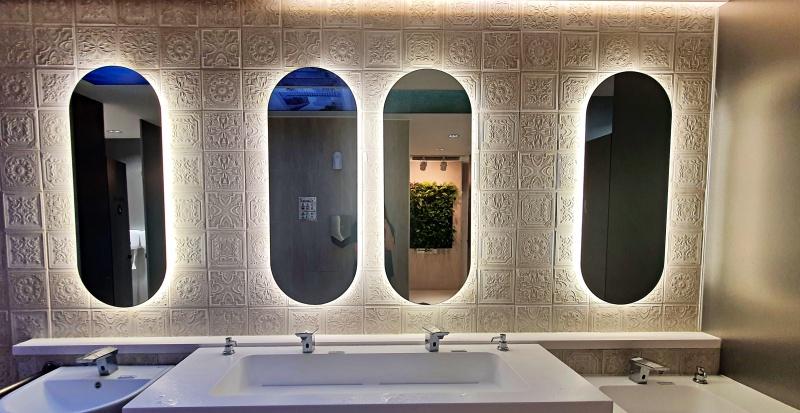
Korean bathrooms are generally clean, safe, and easily accessible. While the mix of high-tech bidets and “do not flush” signs might feel contradictory at first, adapting to these small cultural quirks is all part of the fun of experiencing South Korea!