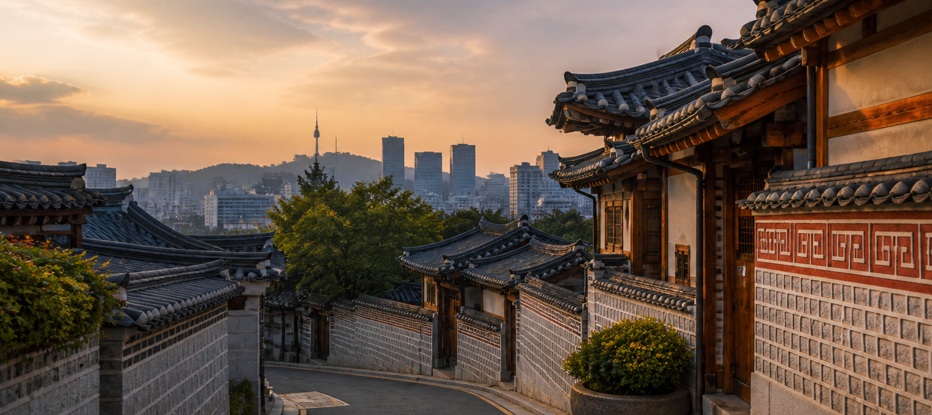
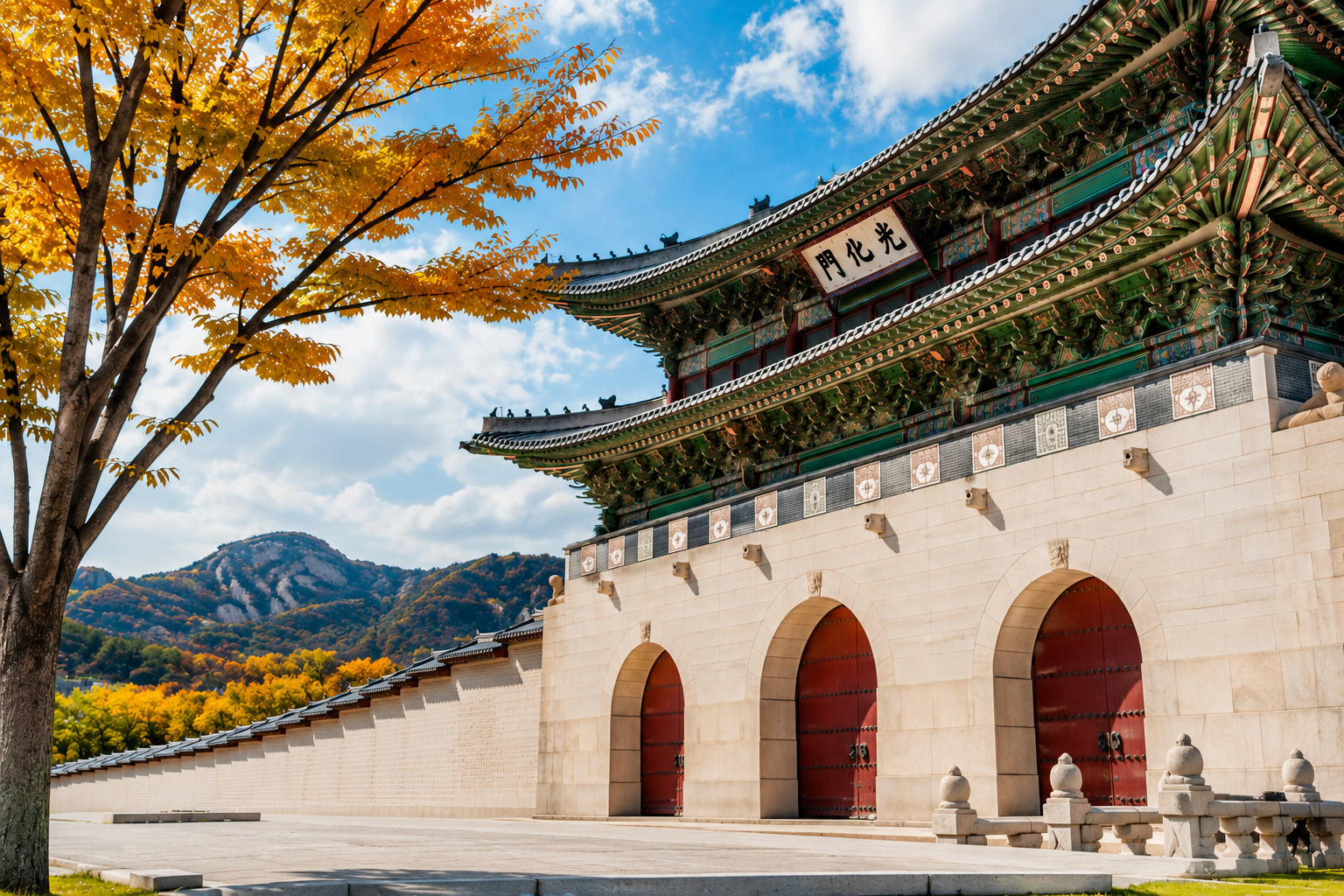
Planning a trip to South Korea? With its perfect blend of ultra-modern cities, rich historical palaces, and incredible food, Korea is an unforgettable destination. However, getting around and understanding the local culture can be a bit tricky for first-time visitors.
With the right preparation, your journey can be smooth, safe, and stress-free. Here is a practical, user-friendly travel guide to help you get the absolute most out of your Korean adventure.
1. Plan Your Itinerary Wisely (Don’t Rush!)
Korea offers a diverse mix of attractions, so it is crucial to plan your route based on your interests. Rather than packing your schedule and rushing, focus on a few key areas to explore comfortably:
-
Seoul (Culture & Shopping): Spend at least 3-4 days here. Visit historic sites like Gyeongbokgung Palace, shop in Myeongdong, and enjoy the nightlife in Hongdae.
-
Busan (Beaches & Seafood): Take the KTX (bullet train) down to Busan for 2 days to see the famous Haeundae Beach and eat fresh seafood at Jagalchi Market.
-
Gyeongju (History): Known as the “museum without walls,” it is perfect for a 1-day trip from Busan to see ancient tombs and traditional architecture.
-
Pro Tip: If you plan to travel between cities, book your KTX or SRT high-speed train tickets at least a few weeks in advance, as they sell out rapidly on weekends!
2. Download the Essential Local Apps
This is one of the most important tips you will read: Google Maps does not work well for walking or driving directions in Korea. To navigate like a local, you must download these essential apps before you arrive:
-
Naver Map or KakaoMap: Your absolute lifesavers for subway routes, bus schedules, and precise walking directions.
-
Kakao T: The Korean equivalent of Uber. Use it to call taxis safely and easily without worrying about language barriers.
-
Papago: A much more accurate translator for Korean than global alternatives. It even includes real-time image translation for reading restaurant menus!
3. Get a T-Money Card Immediately
As soon as you arrive at Incheon Airport or stop by any convenience store (CU, GS25, 7-Eleven), buy a T-money card.
-
Why you need it: This rechargeable transit card is the easiest way to pay for subways, buses, and even taxis across the entire country.
-
Pro Tip: Using a T-money card gives you a slight discount on public transport fares and allows for free transfers between subways and buses. You can also use it to buy snacks at convenience stores!
4. Pack According to the Distinct Seasons
Korea has four very distinct seasons, and the weather changes drastically throughout the year:
-
Spring (April – May) & Autumn (Sept – Nov): The absolute best times to visit. The weather is mild, perfect for outdoor activities, and you can enjoy cherry blossoms or stunning autumn foliage. Pack light layers.
-
Summer (July – August): Extremely hot, humid, and often rainy due to the monsoon season. Pack highly breathable clothes, a portable fan, and an umbrella.
-
Winter (Dec – Feb): Freezing cold, often dropping well below 0°C (32°F). A thick winter coat, thermal layers, gloves, and a scarf are mandatory.
5. Book Accommodations Near Subway Stations
Korea is incredibly popular, especially during the spring and autumn peak seasons. Booking your hotel or Airbnb early helps you secure better rates and avoid last-minute stress.
-
Pro Tip: Always check if your accommodation is within a 5 to 10-minute walk from a subway station. Seoul’s subway system is massive and will be your primary mode of transportation. Areas like Myeongdong, Hongdae, or Jongno are highly recommended for first-time tourists.
6. Prepare for a Cashless Society (Mostly)
South Korea is a largely cashless society. You can use your international credit card (Visa, Mastercard) at almost 95% of restaurants, cafes, and shops.
-
When you need cash: It is still highly recommended to carry about 50,000 to 100,000 KRW in cash for specific situations like reloading your T-money card (which requires cash) or buying delicious street food in markets like Gwangjang Market.
7. Be Open-Minded and Embrace the Culture
Korea has a unique, fast-paced culture (known as “Pali-pali” or “hurry-hurry”). Things might work differently from what you are used to.
-
Cultural Etiquette: Embrace the local manners—like accepting items with two hands, taking off your shoes when entering certain indoor spaces, and avoiding loud conversations on public transit. Being open-minded will help you connect with locals and have a far more meaningful travel experience.
Final Thoughts Traveling in South Korea is highly convenient and incredibly rewarding if you know the basics. By following these simple tips, downloading the right apps, and grabbing a T-money card, you will avoid common tourist mistakes and enjoy a seamless Korean journey. Safe travels!