
Adjusting to life in South Korea is an exciting journey, but it certainly comes with a steep learning curve. The country operates at a blazing speed (Pali-Pali culture), and understanding how the daily systems work can save you a lot of time and stress.
Whether you are here to study, work as an English teacher, or relocate as a business expat, here are the essential everyday life tips you need to know to survive and thrive in Korea.
1. Master the Cashless Society & Payments
South Korea is rapidly moving towards a completely cashless society. While carrying a small amount of cash is useful for traditional markets or street food vendors, you will use a card for 99% of your transactions.
-
The Power of Plastic: Credit and debit cards are accepted everywhere—even for a $1 bottle of water at a convenience store.
-
Digital Wallets: Once you open a local bank account, set up KakaoPay or Naver Pay. These are deeply integrated into daily life, allowing you to split bills with friends or pay online with a simple fingerprint scan.
2. Shop Smart: Markets vs. Marts
Navigating where to buy your groceries can significantly impact your monthly budget.
-
Traditional Markets (Sijang): This is where you go for the freshest and cheapest produce, meat, and side dishes (Banchan).
-
Large Supermarkets (E-mart, Homeplus): Great for bulk buying and variety, but be aware of the mandatory closure days (usually the 2nd and 4th Sunday of the month).
-
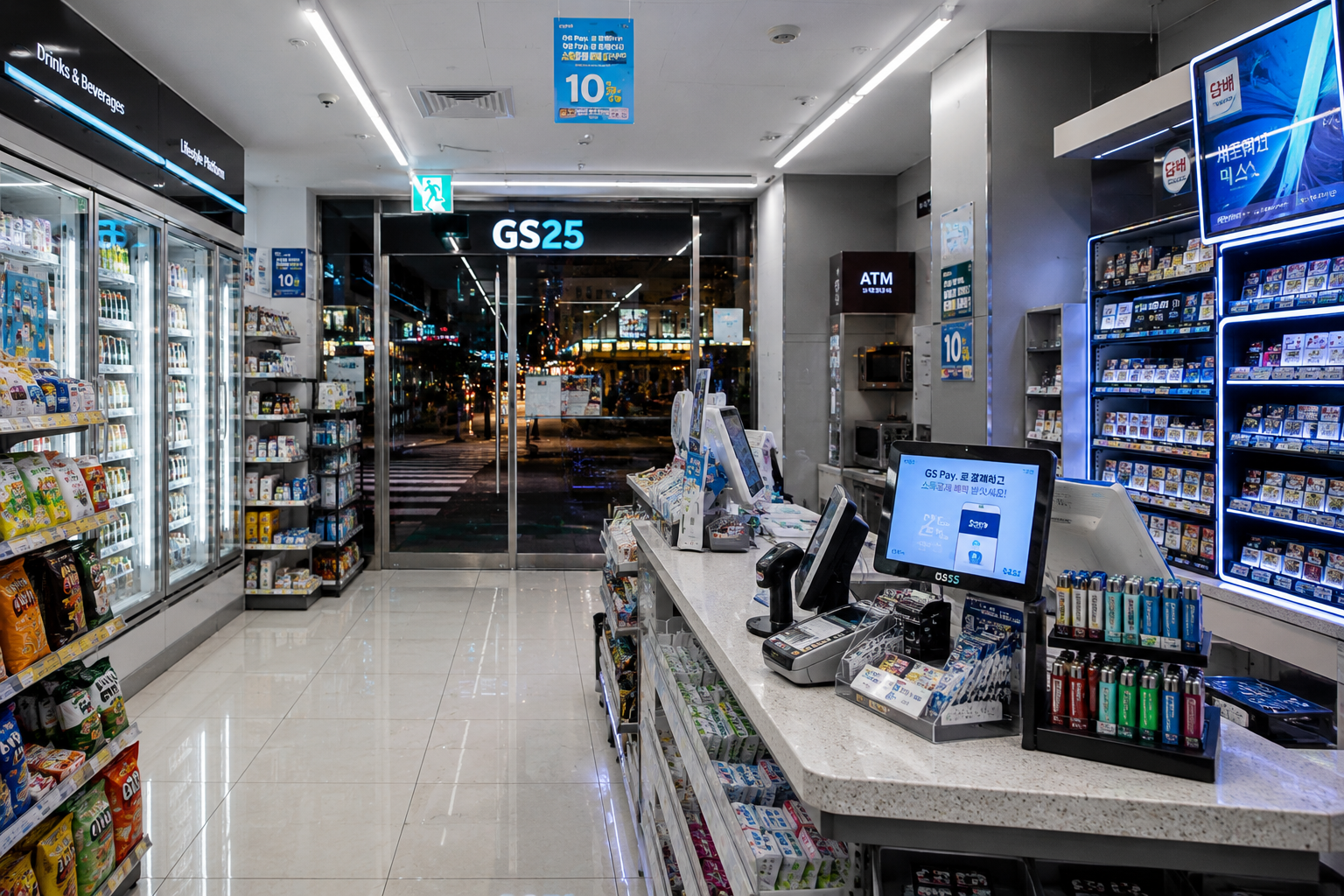
Convenience Stores (CU, GS25, 7-Eleven): These 24/7 havens are on every corner. Beyond snacks, you can use them to receive packages, pay utility bills, and even charge your transit card.
3. The Strict Rules of Recycling (Jongnyangje)
One of the biggest culture shocks for expats is the strict waste disposal system. You cannot simply throw everything into one bin.
-
Official Garbage Bags: General waste must be placed in specific, color-coded bags (Jongnyangje) purchased from your local supermarket or convenience store. These bags are priced to include a waste disposal tax.
-
Food Waste: Food waste has its own designated bags or a specific disposal bin that charges by weight. Never mix food waste with regular trash!
-
Recycling: Plastics, glass, paper, and vinyl must be strictly separated. Your apartment building or villa will have designated recycling days.
4. Unwritten Rules of Public Etiquette
Korean society is built on a foundation of respect, especially toward elders. Adhering to these unwritten rules will make your life much smoother.
-
The Two-Hand Rule: As mentioned in travel guides, always use both hands when giving or receiving items, especially when handing your credit card to a cashier.
-
Public Transit: Keep your voice down on subways and buses. Never sit in the priority seating (usually at the ends of subway cars) meant for the elderly or pregnant women, even if the train is empty.
5. Download the Expat Survival Apps
To navigate daily life, you need to replace your global apps with local ones.
-
Navigation: Ditch Google Maps and use Naver Map or KakaoMap.
-
Communication: KakaoTalk is the national messaging app. You will need it to communicate with everyone from your boss to your landlord.
-
Translation: Papago is far more accurate for translating the nuances of the Korean language than Google Translate.
6. Build Your Community
It is easy to feel isolated when moving to a new country. Building a support network is crucial for a smooth transition.
-
Get Connected: Join Facebook groups like “Everywhere Korea” or local city-specific expat groups.
-
Engage: Attend language exchange meetups or join local clubs (hiking, running, or photography). It is the fastest way to make friends and learn about the culture from locals.
## Final Thoughts Living in Korea is incredibly convenient, safe, and well-organized once you understand the rhythm of daily life. Take the time to learn the systems, embrace the culture, and you will soon feel right at home!